

Most lists of the best things to do in Roatan start and end with the reef. The reef deserves it. But some of the moments visitors talk about on the ride back to the ship have nothing to do with water. A warm baleada eaten standing up. A sip of island rum in a fresh coconut. Garifuna drums on a beach in Punta Gorda. If you have a free afternoon or a whole port day, the island’s food and culture are worth a real slot in your plans.
Here is what to try, where it fits, and how to do it without stressing about the all-aboard time.
Why food and culture belong among the best things to do in Roatan
Roatan is a mix. English-speaking islanders with Caribbean roots, mainland Hondurans, and the Garifuna people, who have lived on the island since the late 1700s. Each group shows up in the kitchen. You’ll find coconut in almost everything, plantains cooked three different ways, and seafood that came off a boat that morning.
Eating local is also one of the easiest ways to see the island as it really is. You don’t need gear, you don’t need to swim, and grandparents and picky kids can join in. That makes it a good choice for families and for cruise passengers who already snorkeled on a previous visit.
What to eat while you’re on the island
Baleadas
The most Honduran snack there is. A thick flour tortilla folded over refried beans, crumbly cheese and a bit of cream. Ask for it with egg, avocado or meat if you’re hungry. They’re cheap, filling and sold everywhere from roadside stands to beach bars. If you only try one thing, make it this.
Coconut bread and cassava bread
Pan de coco is a soft, slightly sweet bread made with coconut milk. Islanders eat it with breakfast, with soup, or straight from the bag. Cassava bread, called ereba by the Garifuna, is flat and crisp, made from grated cassava root. It’s a traditional food with a lot of work behind it, and tasting it where it’s made is a different experience from buying it packaged.
Tapado and other coconut soups
Tapado is a rich seafood soup cooked in coconut milk with plantain, root vegetables and whatever the catch was. Hudut, a Garifuna dish, pairs fish in coconut broth with mashed green plantain that you pinch off and dip. Both are big meals. Order one to share if you plan to snorkel later.
Fried fish by the water
A whole fried fish with tostones (smashed fried plantain), rice and beans, and a slice of lime is the classic beach lunch in West End and West Bay. Ask what’s fresh that day. If you’re staying longer and want to catch your own, our Roatan fishing charter is a fun way to earn your dinner.

Rum on Roatan, and how to enjoy it on a port day
Rum is part of daily life here, but it doesn’t have to be a party. A few local ways to try it:
- Coco loco. Rum poured into a freshly opened green coconut. Light, cold and very island.
- Rum punch. Every beach bar has its own version. Some are sweet, some are strong, so ask before you order a second one.
- Guifiti. A Garifuna tradition. Rum or cane spirit infused with roots, bark and herbs, sold in reused bottles. Locals say it’s good for the body. It tastes strong and bitter, so a small sip is plenty for most people.
A bit of honest advice. The sun on Roatan is stronger than it feels with the breeze. Drink water between rounds, and save the rum for after any snorkeling or swimming, never before. If you’re on a cruise, a relaxed drink at lunch is fine. Three rum punches before the tender back is how people end up running down the pier.
Bottles of local rum and guifiti make good souvenirs. Check your cruise line’s rules about bringing alcohol on board before you buy.
Punta Gorda and Garifuna culture
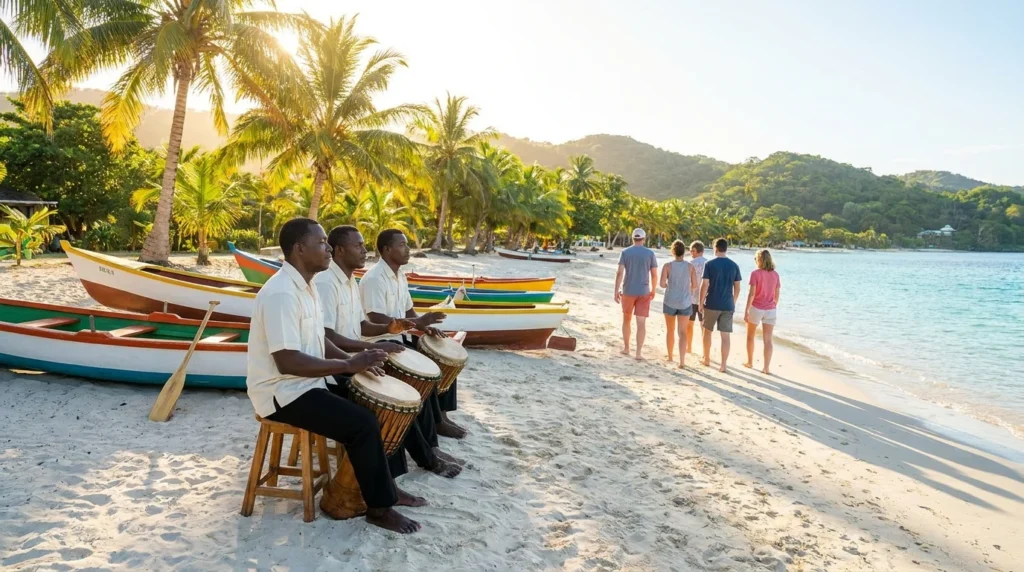
Punta Gorda, on the island’s north side, is the oldest Garifuna community on Roatan. The Garifuna arrived in 1797 after being exiled from the island of St. Vincent, and they kept their language, music and food alive through more than two centuries. In Honduras, their arrival is remembered every April 12, and that’s when Punta Gorda is at its most festive.
On any day, though, you can feel the culture. Wooden canoes pulled up on the sand. Women preparing cassava. Drummers practicing in the afternoon. Punta, the Garifuna dance, is fast and joyful, and if there’s music playing and someone waves you in, go for it.
A few things that make a visit better for everyone:
- Ask before taking photos of people, especially elders and children.
- Buy something local. A bag of coconut bread, a carved piece, a plate of food. It keeps the money in the community.
- Go with someone who knows the area. A local guide can introduce you, explain what you’re seeing and help you find the cooks and musicians who welcome visitors.
Punta Gorda is on the opposite side of the island from where the cruise ships dock, so plan for road time. It’s a real outing, not a quick stop between the beach and the ship.
Fitting it into a cruise day
Cruise ships dock at Mahogany Bay or the Town Center pier in Coxen Hole. Your time ashore is set by the ship, so build the day backward from your all-aboard time and leave a comfortable cushion. Traffic on the main road can be slow, especially on days with several ships in port.
Some combinations that work well:
- Food and beach. Morning swim or snorkel, then a long seafood lunch on the sand. Easy and relaxed. If you’re unsure which water activity to pick, read our comparison of a beach day versus a snorkeling tour.
- Culture first. Head to Punta Gorda early, eat lunch there, and come back with time to spare. Best for travelers who’ve already done the beaches on a past trip.
- Grazing day. Baleadas in the morning, coconut bread on the road, a coco loco at sunset if you’re staying on the island.
What to bring: small bills in US dollars or lempiras for street food, a hat, water, and reef-safe sunscreen. Regular sunscreen harms coral, and you’ll likely end up in the water at some point. If you do snorkel, float and look. Never touch or stand on the coral.
What’s worth it and what’s not
Worth it: eating where locals eat, trying at least one coconut dish, and spending time in a Garifuna community with someone who can introduce you.
Less worth it: trying to squeeze Punta Gorda, a zipline and a beach into one short port day. You’ll spend more time in the van than anywhere else. Pick one main experience and enjoy it properly. Our post on Roatan day excursions from the cruise port can help you decide what fits your schedule.
If you’d like a private day built around food, rum and local culture, send us a message through Do Roatan Day Tours and we’ll help you plan it around your ship’s times.